
What Is Glamping? A Quick Guide for First-Timers

You’ve probably at least heard of the term glamping, but have you ever tried it? While some may have assumed that it’s simply a passing fad, the fusion of glamour and camping has been around for 20 years. For those who haven’t gone glamping, there’s no time like the present, but you might want to learn more about it for the best possible experience.
That’s why we’ve put together this extensive guide to glamping. It includes a more in-depth explanation as to what it is, how it all began, the different types available, the costs, what to bring, how to book, and much more.
What is Glamping?
Short for “glamorous camping,” just imagine a getaway that combines an immersion in nature with creature comforts. That’s basically what glamping is, although the exact experience can vary significantly, depending on the type you choose. But we’ll get into that a bit further along. For those who want to be in the great outdoors without sacrificing convenience and comfort, glamping is the best of both worlds. It’s possible to find more basic options that may be ideal for those on a budget, but there are also plenty that would be considered ultra-luxe. Either way, you can look forward to a beach, forest, lake, or any number of other desirable settings in nature while someone else handles the setup and provides hospitality.
It can also help to understand what glamping is not. It isn’t a traditional resort or hotel; rather, it balances comfort with a natural environment. It’s not about lacking basic necessities or being uncomfortable either. You don’t have to worry about “roughing it” by sleeping on the ground or not having access to a toilet.
Short History of Glamping
Glamping is a modern term, but the history of glamorous camping dates back to at least the 16th century. One of the earliest examples is the diplomatic summit that took place in 1520 between King Henry VIII of England and King Francis I of France. It included more than 2,800 extravagantly furnished tents and fountains running with red wine. In the early 20th century, African safaris hosted for wealthy Americans and Europeans had beds with luxurious linens and generators for electricity.

The origin of the word “glamping” arrived much later, getting its start during the international financial crisis in the late 1990s as a more affordable alternative to expensive hotels. The actual word first appeared in 2005 in the U.K. By 2007, people began searching Google for the term “glamping,” mostly within the U.K. and Ireland. Within a few years, it really started to take off, spreading to the U.S. by 2014. In 2016, it was added to the Oxford English Dictionary, and today, glamping destinations can be found across the globe.
What to Expect at a Glampsite
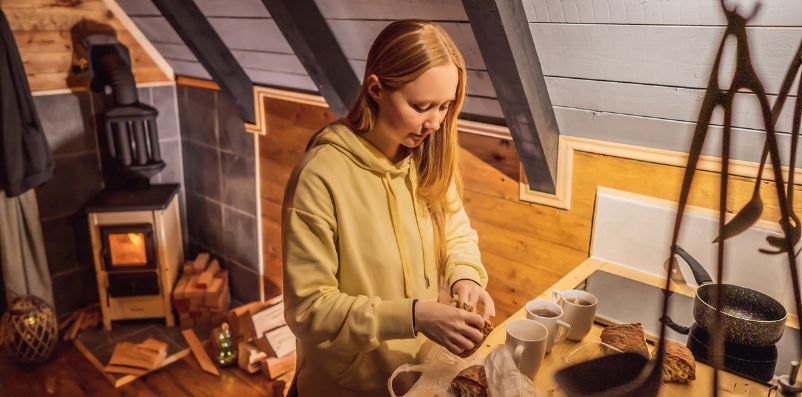
While glamping includes a diverse range of accommodation options, most hosts provide at least the basic amenities. True glamping means you won’t be exposed to the elements, with a bed that’s off the floor and not just an air mattress sitting on the bottom of a tent. Most hosts also provide an easily accessible bathroom with hot water, electricity for charging devices, and a way to cook simple meals, such as a grill, a fire pit, or a camp stove.
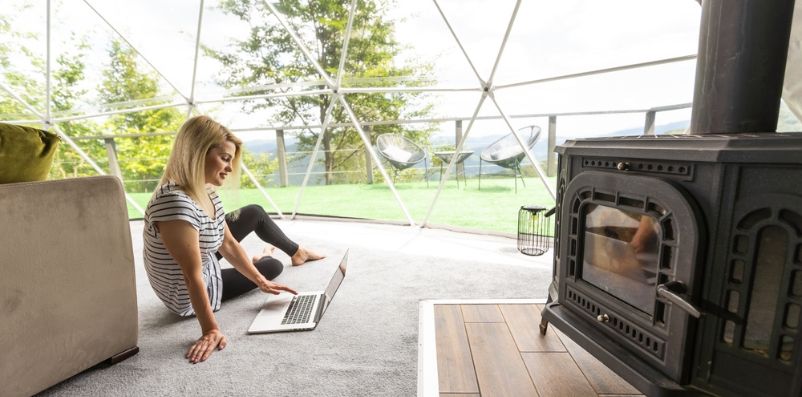
While it’s not guaranteed, you can often find glamping sites that include access to Wi-Fi, climate control (heating/cooling), and private bathrooms. Some provide access to fully-equipped communal kitchens or include a small in-unit kitchenette with a mini-fridge and microwave.
Who is Glamping For?
Glamping for solos, couples, and families
Glamping appeals to a wide range of travelers. It can be a romantic retreat for couples that combines privacy with the beauty of nature, or simply a unique alternative to standard accommodation. It’s well-suited to families who don’t want to sacrifice cozy beds, but the amount of space can vary, making it essential to check specific details to ensure comfort for all. Many have spacious floor plans with separate sleeping areas to provide ample room. Glamping can also be ideal for solo adventurers looking for comfort, security, peace and solitude without giving up modern conveniences too.
Accessibility concerns
If accessibility is a concern, you should know that many glamping sites are becoming more accessible. They may include ramps, wider doorways, and bathrooms with grab bars or other adapted features. Glamping units with open floor plans mean that you’ll usually have ample turning space for wheelchairs. Of course, accessibility varies widely, so it’s crucial to research specific amenities.
Pets
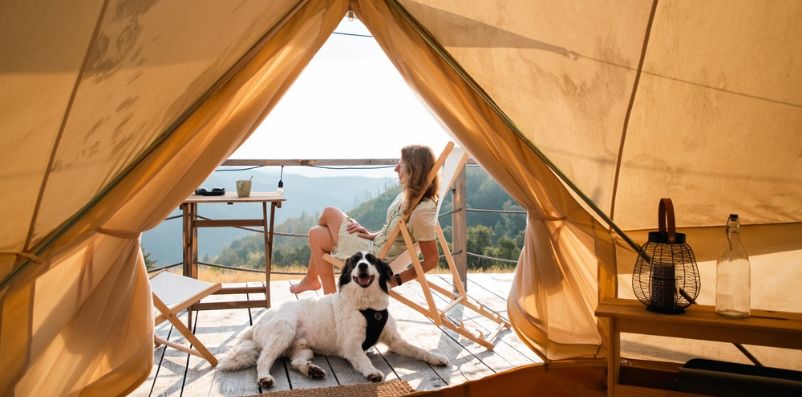
Traveling with pets? While they aren’t universally accepted, glamping sites are more likely to be pet-friendly compared to hotels, making them a popular pick for those who want to bring their four-legged friends. Some even cater to pets by providing items like drinking bowls, dog beds, washing stations, and/or a specific area to run around.
Types of Glamping
The types of glamping available are wide-ranging, with the best type really a matter of your particular wants and needs. The following are some of the more common, but keep in mind that glamping can include unusual accommodations such as converted school buses, vintage planes, and fire trucks.
Tents
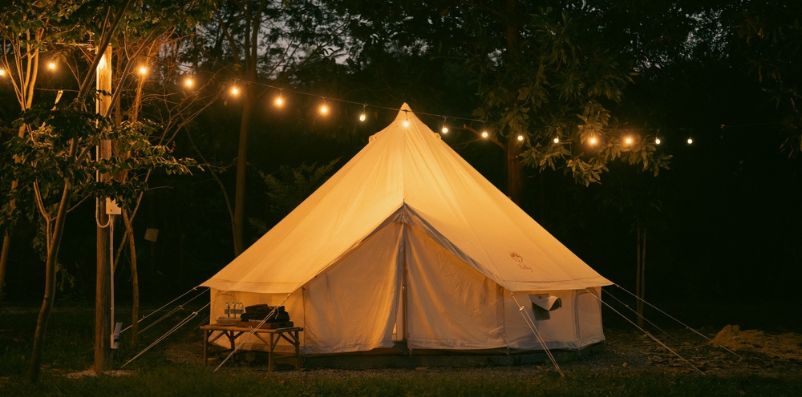
Tent glamping typically includes a canvas tent with a bed that has a mattress, linens, and blankets rather than a sleeping bag. The structure is usually a spacious bell-style tent with a high center pole for headroom. It may have some basic furnishings like chairs and a small table.
The structure may be a safari-style tent, which is traditionally a wood and canvas structure that has four vertical walls, a wood or bamboo floor, and a steepled roof that provides more headroom.
Yurts
Yurts have been used by nomadic groups in Central Asia for thousands of years. Often associated with Mongolia, they’re still popular for primary housing. These are round tents that are made up of wood or bamboo. While they were traditionally covered with pelts, modern yurts use synthetic fibers like polyester or cotton canvas.
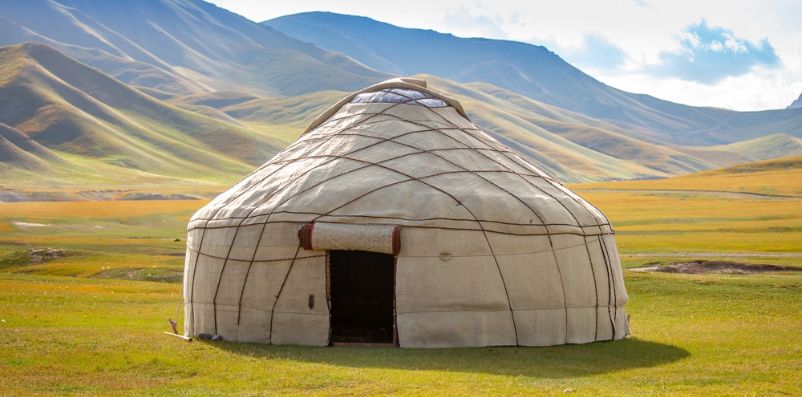
They vary significantly, but are often quite spacious and include a sleeping area with a comfortable bed, basic furniture, and electricity. Some have heating, kitchenettes, and private bathrooms. Many have a private outdoor space, like a deck and a fire pit.
Domes
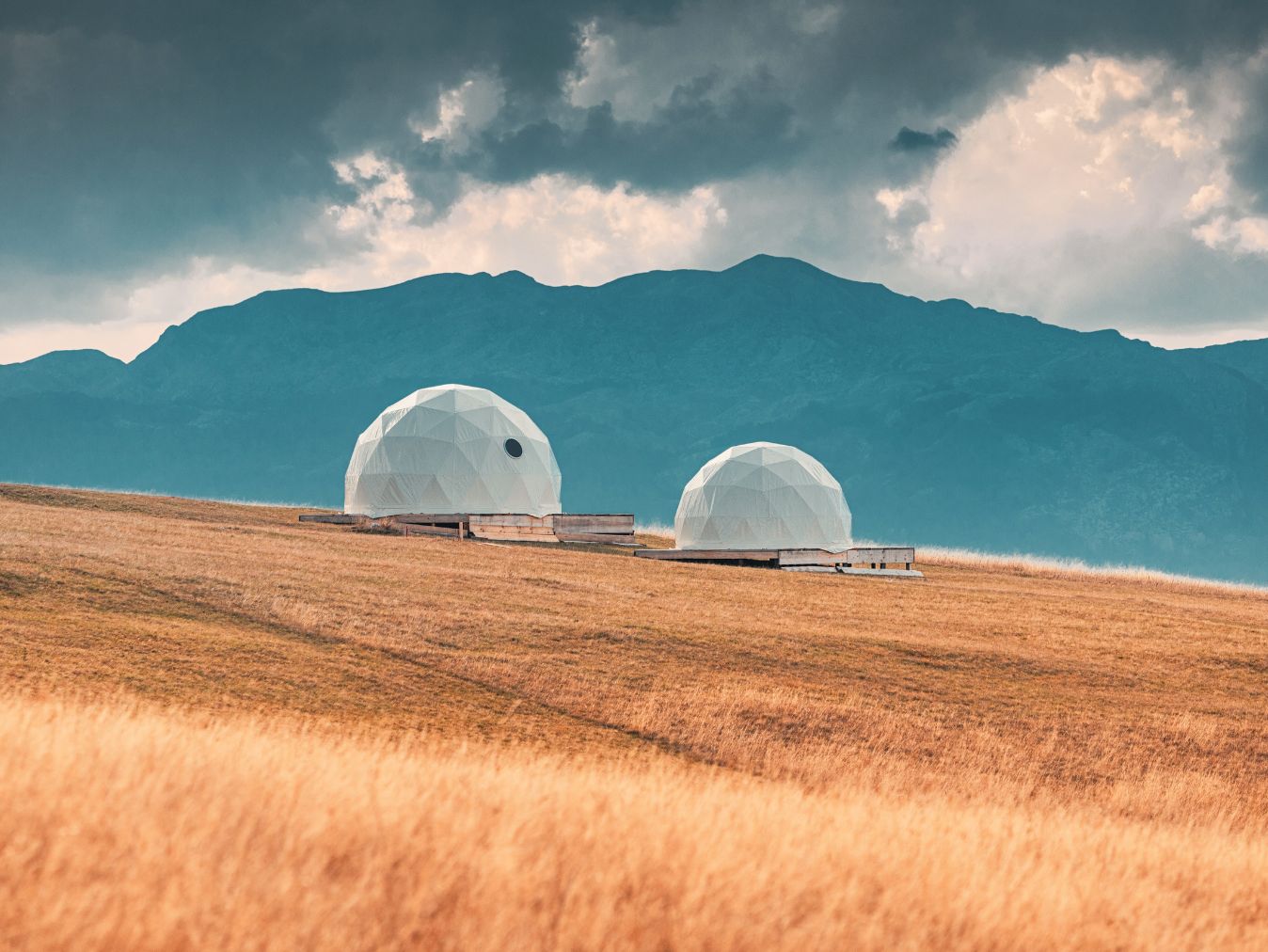
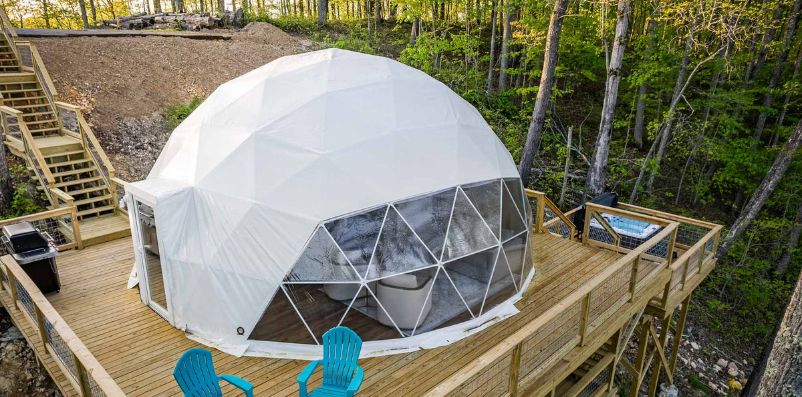
Glamping domes, sometimes referred to as geodesic domes, are hemispherical structures with strong frames built from interconnected triangles. They typically have large windows for panoramic views and stargazing, comfortable beds, kitchenettes, and private bathrooms. Wi-Fi, heating, and/or air conditioning are common features.
Pods
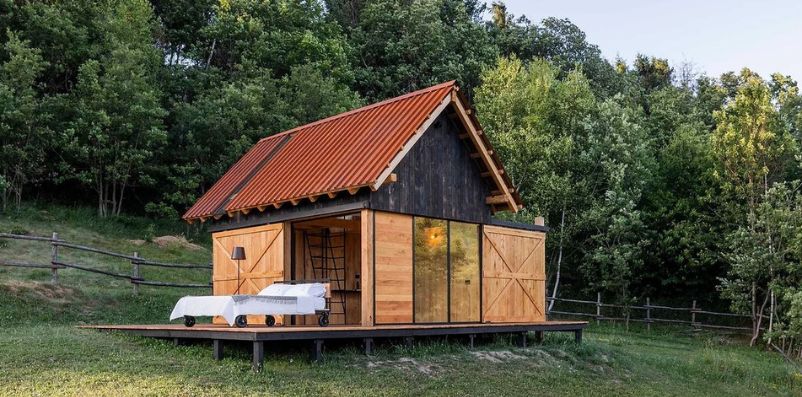
Glamping pods are built using solid materials, which typically include wood, glass, and metal, like a cabin, but smaller. You can often recognize them by their shingled, sloping roofs. Many are self-contained, with their own amenities, rather than having to share them with others at a wider site.
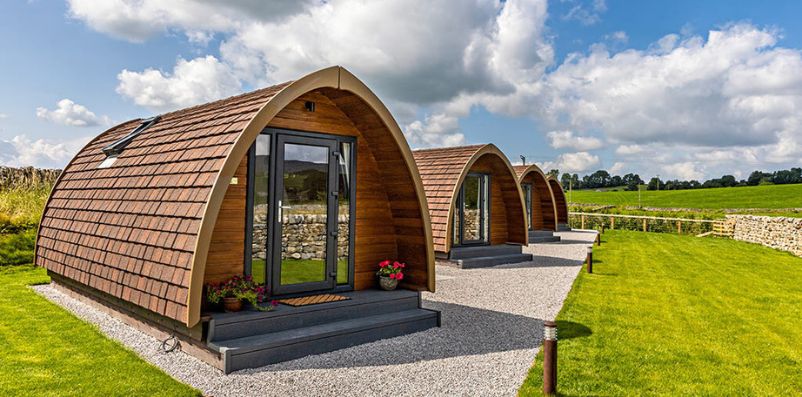
They usually include at least one bed, electricity, and heating. Some of the higher-end glamping pods have kitchenettes and private bathrooms. You might even find extra-special perks like a hot tub.
Treehouses
Treehouses may be supported by a tree (or trees), but they’re often built on stilts, giving them a lofty feel without relying on natural support. Either way, they usually have a picturesque woodland view. A glamping treehouse is usually not the best choice for anyone with mobility issues, as access can be steep or even involve a ladder.
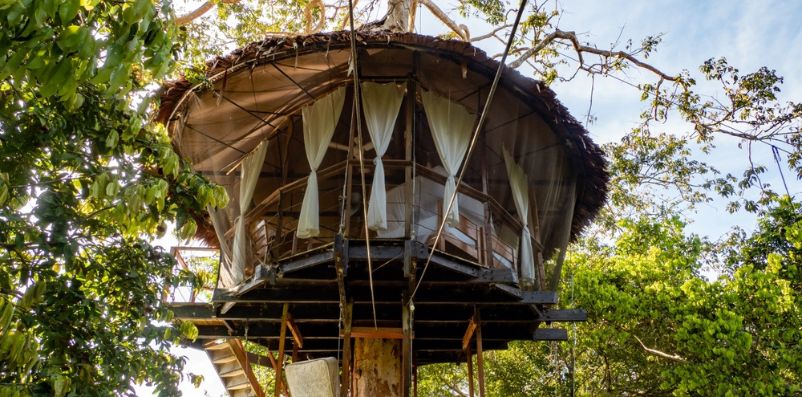
With a little creative craftsmanship, treehouses can be quite luxurious, complete with hot running water, electricity, proper beds, and bathroom facilities, so you won’t have to climb a ladder in the middle of the night. Many are off-grid, however, which is part of the attraction as they provide more of a back-to-nature experience.
Teepees
A teepee (or tipi) is the traditional tent of Native Americans. While they were originally made from animal skins, today’s glamping teepees are commonly made of cotton canvas or various man-made synthetics with wooden poles. They’re similar to a tent but are often quite spacious with basic amenities like beds and electricity for charging devices and lighting.
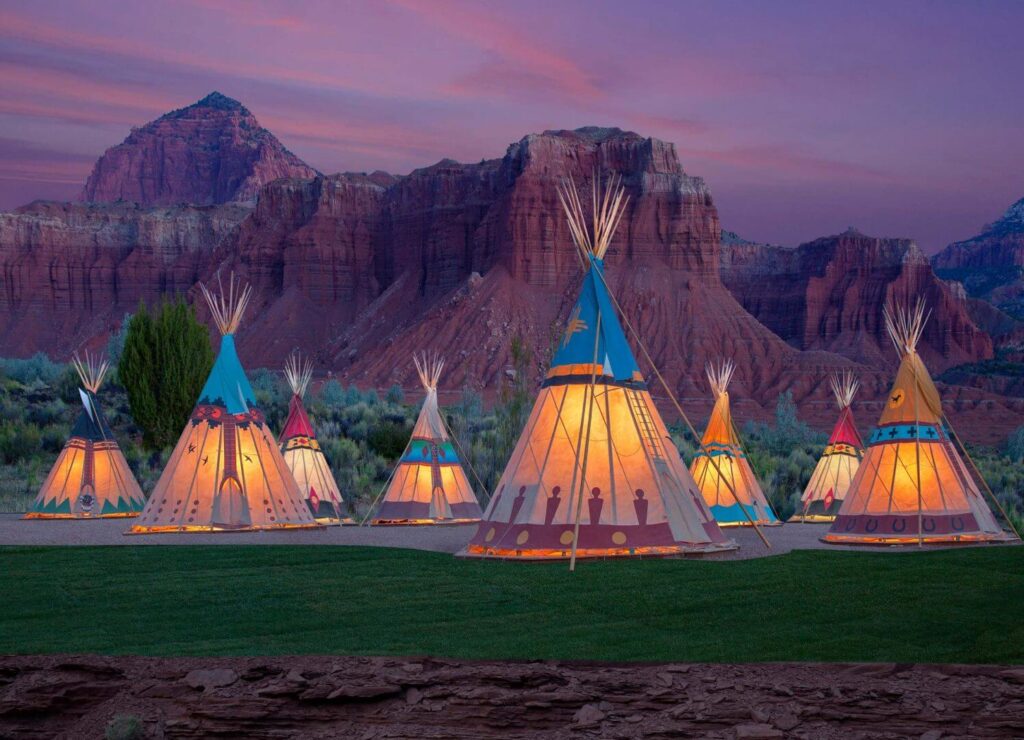
They have more ventilation than standard tents and are usually decorated in Native American style. Many come with heating and cooling to ensure a comfortable temperature year-round. Some have kitchenettes and private bathrooms.
Vintage Trailers
Airstreams and other types of vintage trailers have become popular for glamping. Airstreams are easily recognized by their rounded shape and polished aluminum, but no matter the brand, many have been converted to add luxury amenities.
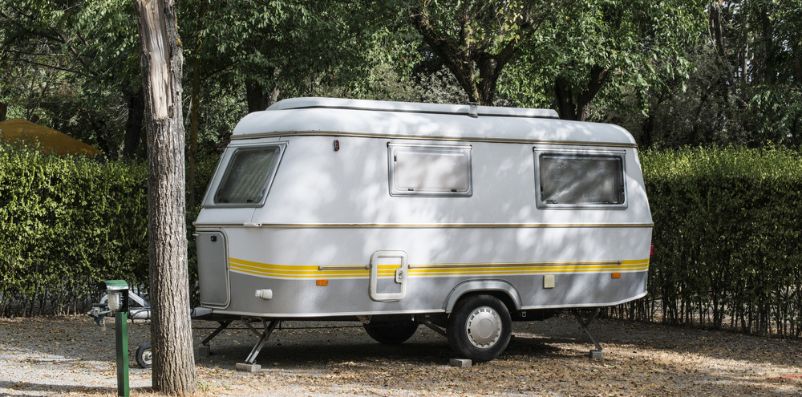
A full kitchen or kitchenette, sleeping area with a bed and linens, living and dining space, electricity, and Wi-Fi are usually included. Furnishings are often retro-style. Nostalgic decor and items like vintage coffee makers and other small appliances are also common.
Tiny Homes
Tiny homes have gained popularity in recent years for glamping. They’re often small cabins, but some are simply small homes, as the name suggests, with anywhere from 100 to 400 feet of living space. Typically, they include electricity, heating, and running water. Many have air conditioning and Wi-Fi, along with other home-like comforts, but in a more compact size.
Costs & Budgeting
The cost of a glamping trip varies greatly, depending on the specific destination, amenities, season, and type of glamping accommodation. Typically, the price starts at around $100 per night, but some of the more luxurious options can be $800 or more per night. A basic bell tent or safari tent with a bed and minimal amenities is generally at the lower end. More luxurious domes, pods, and treehouses with kitchenettes and private bathrooms will be higher. Of course, if you’re planning a stay in a pricey, highly desirable location, perhaps near a national park or another popular attraction, you can also expect to pay more. Glamping sites located at resorts with access to a hot tub, swimming pool, on-site dining, and/or guided activities also tend to be priced higher.
Keep in mind that there may be additional fees for use of resort amenities, firewood, activities, and cleaning. Many require a two-night minimum and a deposit, which is typically non-refundable if you decide to cancel.
If you’re on a tighter budget, you can usually save money by avoiding the peak tourist season, which varies by destination. For example, summer is the most expensive time for glamping in or near North American national parks, European beach destinations, and locations with popular concerts or festivals. Winter is the priciest time in the Caribbean and other places with mild temperatures during the season. Spring and autumn are often considered shoulder seasons, bringing the possibility for discounts too.
The bottom line for those seeking the least expensive glamping trip: look for a minimalist site with the basics while offering access to some free activities, such as hiking and swimming.
What to Wear while Glamping
When deciding what to wear on your glamping trip, you’ll need to consider the weather in your destination, what you plan to do, the type of glamping, and the amenities you’ll have. You’ll probably be spending a lot of time outdoors, which means you’ll want comfortable, closed-toe footwear, a waterproof jacket, and clothing that can be layered, focusing on quick-dry materials.
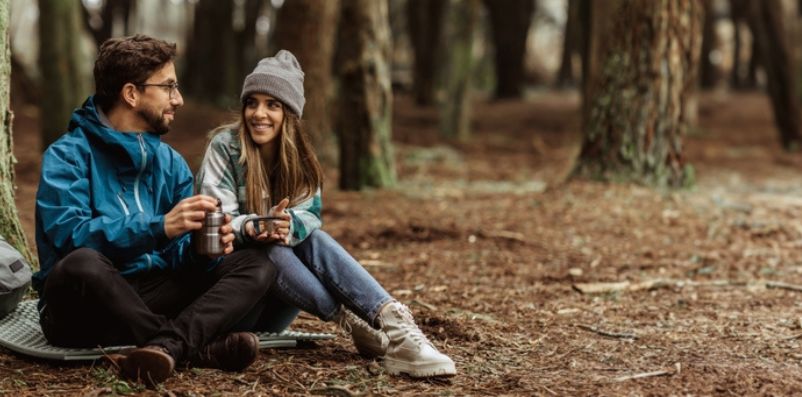
Moisture-wicking base layers work well in any season. If you plan to glamp in the winter or in a cooler location, you might want an insulating layer like fleece as well. A warm hat like a beanie can be good for chillier mornings and evenings any time of year, and you may want a sun hat too.
Comfortable sleepwear or sweats for relaxing in your glamping space after your adventures are essential.
The Best Time to Go Glamping
Glamping is something you can do year-round, but the best time to go depends on what you plan to do and the destination you plan to visit. It’s generally more optimal during mild weather conditions. Glamping in areas with extreme summer heat and frigid winters can mean that spring and autumn are more ideal, but winter glamping can make for an enchanting experience with access to snow sports. Many glamping sites provide heating. Of course, it’s critical to double-check before booking so you can look forward to returning to a warm and cozy space afterward.
Provided you aren’t heading to a desert location, summer may be an ideal time to go, with warm evenings spent under the stars. Keep in mind that it’s the most popular season in many locations, which can mean higher prices and bigger crowds. Late spring and early fall can provide a more tranquil experience without sacrificing warm weather.
The key when planning your glamping trip is to consider seasonal activities and the potential for crowds and costs, in addition to researching the typical weather conditions for your dates.
What to Bring for an Optimal Glamping Experience
When camping, you typically have to bring everything you’ll need, like sleeping bags, a tent, a camping stove, lanterns, and the like. But with your host providing the necessities, you don’t have to worry about all that.
There are some things you can bring for an optimal glamping experience, however. First, check with the glamping host (or review the website) to find out what’s already included so you don’t duplicate it. For example, as mentioned, some include kitchenettes or even full kitchens, so you don’t have to bring anything to cook on or a cooler for your groceries. Towels are often included, but you may have to bring your own. When it comes to toiletries, most hosts supply the basics such as soap and shower gel, but you’ll need to bring toothpaste and probably your own shampoo and conditioner.
Some of the items you may not think about that can improve your glamping experience include:
- Eye mask for bright mornings
- Earplugs if you’re a light sleeper
- Wet wipes for easy clean up
- Portable power bank if access to charging devices is not provided at the glamping site
- Flashlight (or smartphone with a flashlight) for getting around after dark
- Binoculars for spotting wildlife
- A deck of cards or games for potentially rainy days
- Refillable water bottle for activities like hiking and other outings
- Food and drink
- Marshmallow sticks and marshmallows for roasting over a campfire, if you’ll have one
How to Find & Book a Great Glampsite
It’s best to use a dedicated site like https://glampingway.com/ for booking a great glampsite so you can filter for location, accommodation type, and amenities. Before you start, write down a list of your wants and needs to help narrow down the options.
You might want a site with a scenic view, like a lake, river, forest, or beach, and access to a variety of outdoor activities. If it isn’t an individual site, consider privacy by looking for sites with units that are spaced far enough apart to provide a sense of exclusivity. What amenities are must-haves? Hot running water, a way to charge devices, Wi-Fi, a place to cook and prepare food, and a private bathroom are desirable to many, but you might be fine with the basics for a true back-to-nature experience.
Before hitting that “book now” button, check recent reviews for feedback on cleanliness, comfort, noise, and the overall experience to ensure it will meet your expectations.
By following our glamping guide, you can sleep under the stars, but on a real mattress for a comfortable and unforgettable outdoor adventure!